

Does My Child Need Academic Accommodations or Just More Time to Adjust?
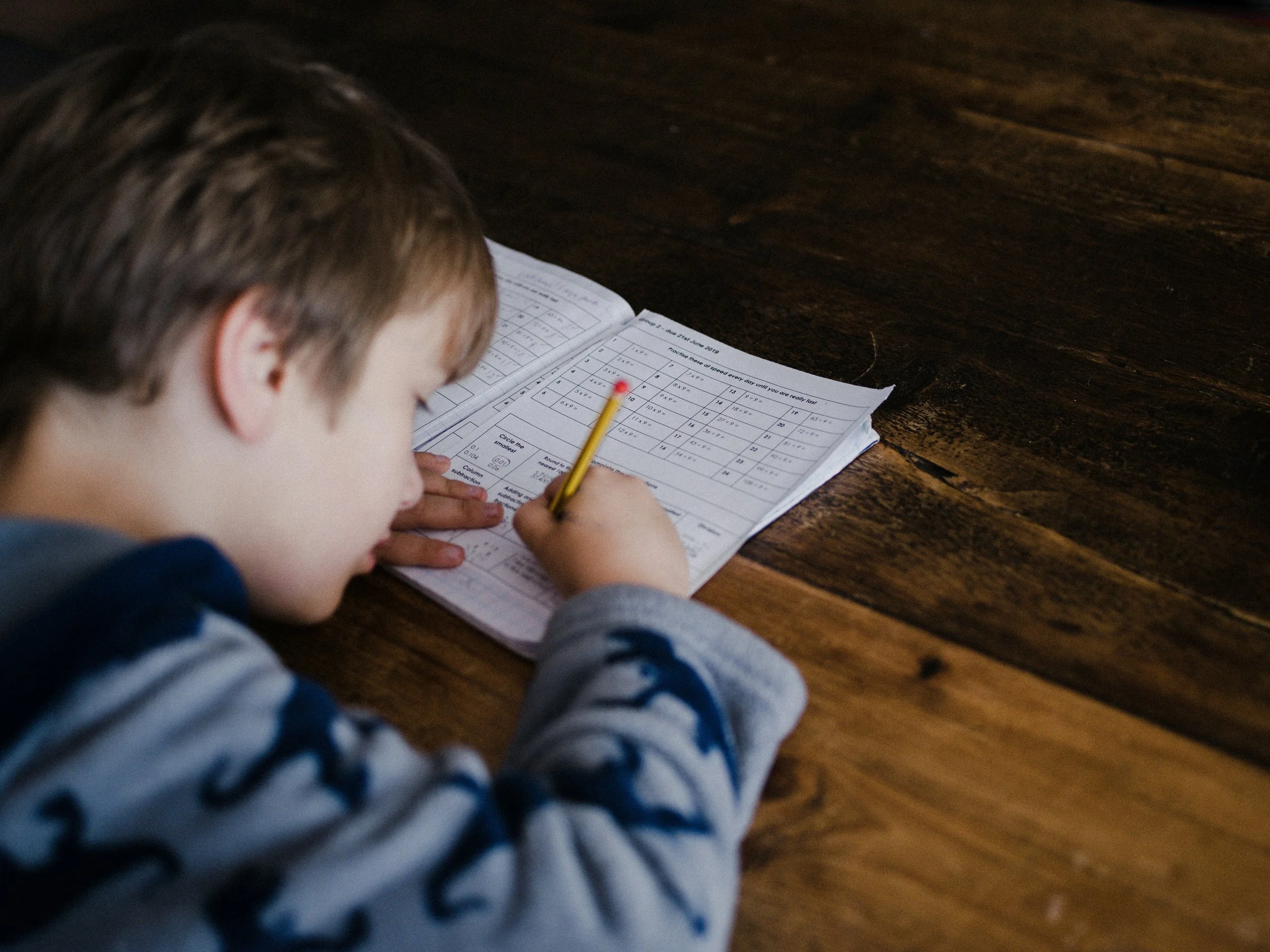
Academic challenges are a normal part of learning, growing and adjusting to new demands. Across grades, children can struggle with a new concept, need extra practice, or take time to adjust to a new teacher, classroom, or set of expectations. Working through these moments builds persistence, flexibility, and confidence as learners.
When difficulties continue despite a child’s effort and the support of parents and teachers, it can be difficult to know what to do next. There is not always an obvious answer. Paying attention to how long the difficulties have been occurring, how your child responds to support, and how much their struggles are affecting their experience at school can help determine when it may be time to explore additional options. Parents are encouraged to learn about interventions to build skills as well as accommodation types that may be supportive, and then understand differences between these. A number of children are best supported by a combination of these.
Academic Accommodations
What are Academic Accommodations?
Academic accommodations are changes to standard procedures that help students demonstrate their knowledge more effectively. For students who qualify for formal academic accommodations, these can reduce barriers that may make it harder to learn, participate in class, complete work, or show what they know.
Accommodations do not change what a child is expected to learn. Instead, they change aspects of the learning environment or the way information and assignments are presented so that a child has a more equitable opportunity to succeed.
Because every child has different strengths and areas of need, accommodations should be individualized. Some examples include:
Extended time on tests or assignments
Testing in a quiet or reduced-distraction environment
Access to audiobooks or other alternative formats
Text to speech or a reader for exams
Enlarged print or other visual supports
Use of assistive technology for note taking, writing responses, or during exams
Preferential seating
Breaks during longer assignments or tests
Use of a calculator when appropriate
The goal is to identify the specific barriers a child is experiencing and determine which supports will allow them to participate more successfully at school.
Who Qualifies for Academic Accommodations?
In most cases, formal academic accommodations are provided when a child has a documented disability or diagnosis that affects their ability to access learning or demonstrate their knowledge in the standard way. A diagnosis alone does not automatically mean that a child will qualify for accommodations. The diagnosis must also have a meaningful impact on the child’s functioning at school, and the accommodations should address the specific difficulties associated with that impact.
Diagnoses commonly associated with academic accommodations may include:
Attention-Deficit/Hyperactivity Disorder (ADHD)
Specific Learning Disorders, such as difficulties with reading, written expression, or mathematics
Autism Spectrum Disorder
Anxiety disorders
Language disorders
Motor or coordination disorders
Hearing or visual impairments
Other medical, neurological, developmental, or psychological conditions that meaningfully affect school functioning
A comprehensive evaluation can help clarify whether a child meets criteria for a diagnosis, how that diagnosis affects their functioning, and which accommodations or interventions may be appropriate.
How Are Accommodations Provided in Public Schools?
In public schools, two common ways that students receive formal support are through a Section 504 Plan or an Individualized Education Program (IEP).
A 504 Plan provides accommodations for an impairment, physically or in learning, that substantially limits or compromises a students ability to access standard curriculum or demonstrate their abilities as expected. A child with a 504 Plan may not require specialized instruction, but may benefit from changes to the learning environment or the way they access school activities. A 504 Plan provides accommodations for students who do not also require specialized educational or related services such as speech and language therapy or occupational therapy.
An IEP is developed for a student who meets eligibility criteria under the Individuals with Disabilities Education Act (IDEA) and requires special education programming or related services. An IEP is more comprehensive and includes individualized educational goals as well as the specialized instruction, related services and interventions, accommodations, and other supports the student will receive.
Whether a 504 Plan, IEP, or another form of support is appropriate depends on the individual child and the nature of their needs. A school or neuropsychological evaluation can help parents and educators better understand a child’s areas of strength and difficulty and determine what support may be appropriate.
How Are Accommodations Provided in Independent Schools?
Independent schools often approach accommodations differently from public schools and may not use 504 Plans or IEPs in the same way. Instead, parents typically share evaluation results with the school administrators or learning specialists who oversee academic support.
The school may review the results of a private evaluation or an evaluation completed through the public school district and develop an individualized learning or accommodation plan. This plan may outline accommodations such as extended time, reduced-distraction testing, assistive technology, or other supports recommended based on the student’s needs.
Depending on the school, specialized learning instruction, academic support, and related services may also be available. Because policies and resources vary across independent schools, parents can speak directly with their child’s school to understand what documentation is required and which accommodations and services the school is able to provide.
How Do I Know If My Child May Benefit From Academic Accommodations?
A difficult test, a challenging subject, or a period of lower grades does not necessarily mean that a child needs formal accommodations. Instead, parents may want to pay attention when difficulties become persistent, appear despite additional support, or begin to interfere with a child’s ability to participate successfully in school.
Some signs that it may be worth taking a closer look include:
Consistent academic struggles: Some children continue to have difficulty in a particular area, such as reading, writing, or math, even after receiving additional instruction and practice. When the same challenges continue over time rather than improving, it may be helpful to explore if an accommodation would prove beneficial.
Poor performance despite significant effort: A child may spend hours studying, completing homework, or preparing for tests but continue to receive grades that do not reflect their effort or understanding. When keeping up with school consistently requires much more time and energy than expected, accommodations may be helpful.
Increasing anxiety around school: Some nervousness before a test, presentation, or difficult assignment is common. More frequent or intense anxiety deserves attention, particularly if a child regularly becomes overwhelmed by schoolwork, avoids school, experiences physical complaints on school mornings, or becomes extremely upset by academic demands.
Sensory sensitivities that interfere with the school day: Bright lights, loud classrooms, crowded spaces, or other aspects of the school environment can be particularly difficult for some children. When these sensitivities make it harder for a child to concentrate, participate, or remain comfortable in the classroom, changes to the environment may be helpful.
Difficulties in other areas of functioning: Attention, language, motor skills, hearing, executive functioning, and social-emotional development can all influence how a child functions at school. Concerns in these areas may also be a reason to speak with your child’s school and consider whether further evaluation or accommodations are needed.
Or Does My Child Just Need More Time to Adjust?
Not every academic struggle requires formal accommodations. Children are constantly being asked to adapt to new expectations, whether they are starting at a new school, moving into a more demanding grade, adjusting to a different teacher, or learning how to manage a heavier workload.
For some children, these challenges improve as they become more comfortable and develop the skills needed to manage new expectations. A child may initially need frequent reminders to organize their assignments, for example, but gradually become more independent after using a planner and establishing a consistent homework routine. Another child may struggle with a new math concept at first but begin to understand it after extra practice or help from their teacher.
In these situations, the important piece is that the child is making progress. Their struggles may not disappear immediately, but they become less frequent or less intense as the child receives support and gains experience.
It may be more concerning when a child continues to experience the same difficulties despite time, practice, and appropriate support. Parents may also notice that school is requiring an unusually high level of effort, that their child is becoming increasingly frustrated or discouraged, or that academic difficulties are beginning to affect their confidence and feelings about school.
When You’re Still Unsure
It is not always easy to distinguish between a temporary adjustment period and a challenge that requires additional support. Parents also do not need to wait until a child is failing or significantly distressed before asking questions.
If you are concerned about your child’s academic progress, speaking with their teacher can be a helpful first step. Teachers can provide information about what they are seeing in the classroom, how your child is performing compared with classroom expectations, and whether certain strategies or interventions have already been helpful.
When concerns persist, additional evaluation may provide a clearer picture of how your child learns. A neuropsychological evaluation can help identify a child’s individual pattern of strengths and challenges across areas such as learning, attention, executive functioning, memory, and social-emotional functioning. This information can help parents and educators better understand what may be contributing to a child’s difficulties and determine whether accommodations, specialized instruction, targeted intervention, or simply additional time and support will best help that child move forward.
Ultimately, the purpose of seeking support is not to make school easier. It is to make sure children have the tools they need to learn, build confidence, and experience success at school.
Looking for a quick, easy-to-use version? Download our free condensed guide with the key takeaways from this post.