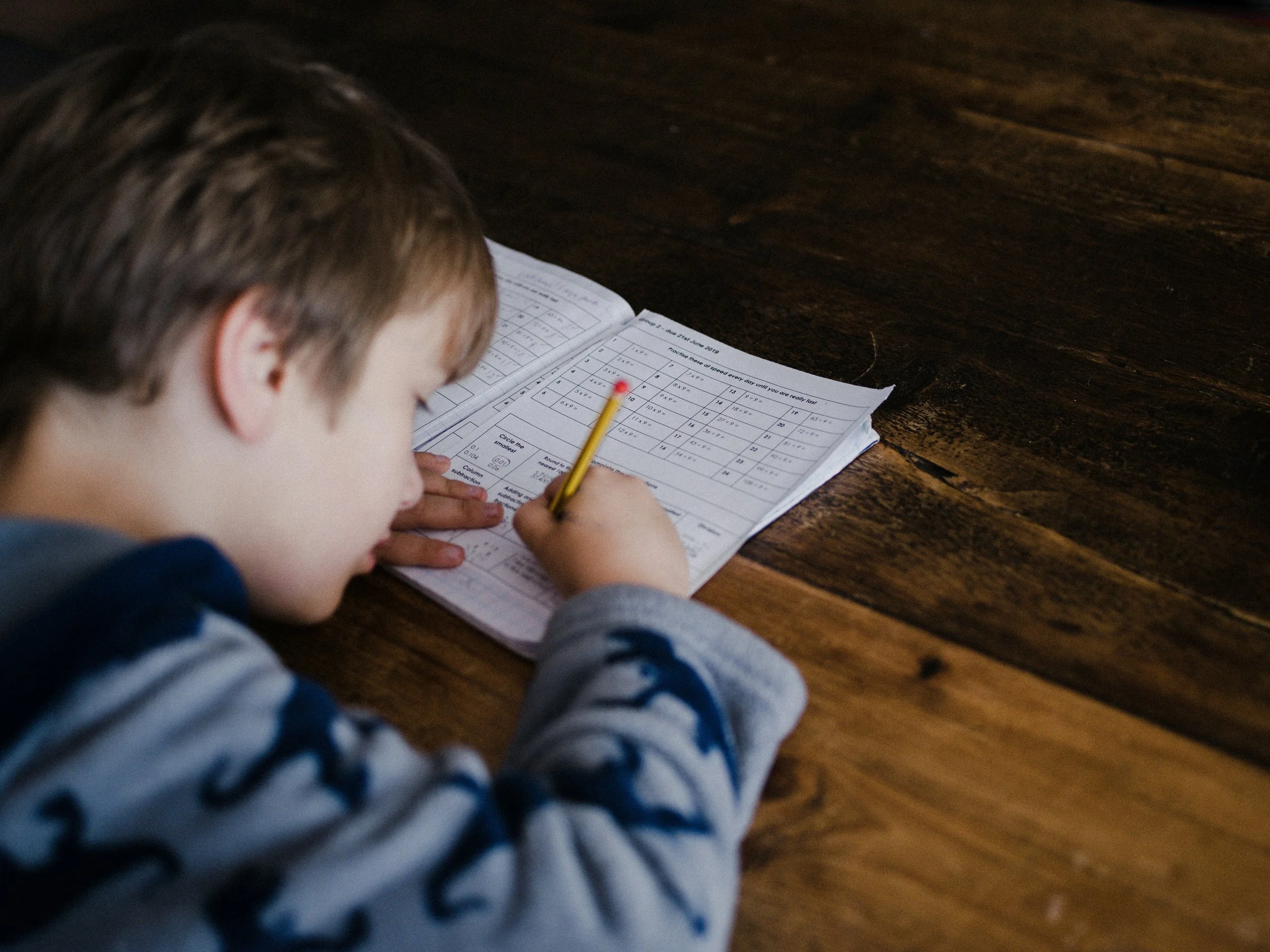

Recognizing Anxiety in the Classroom
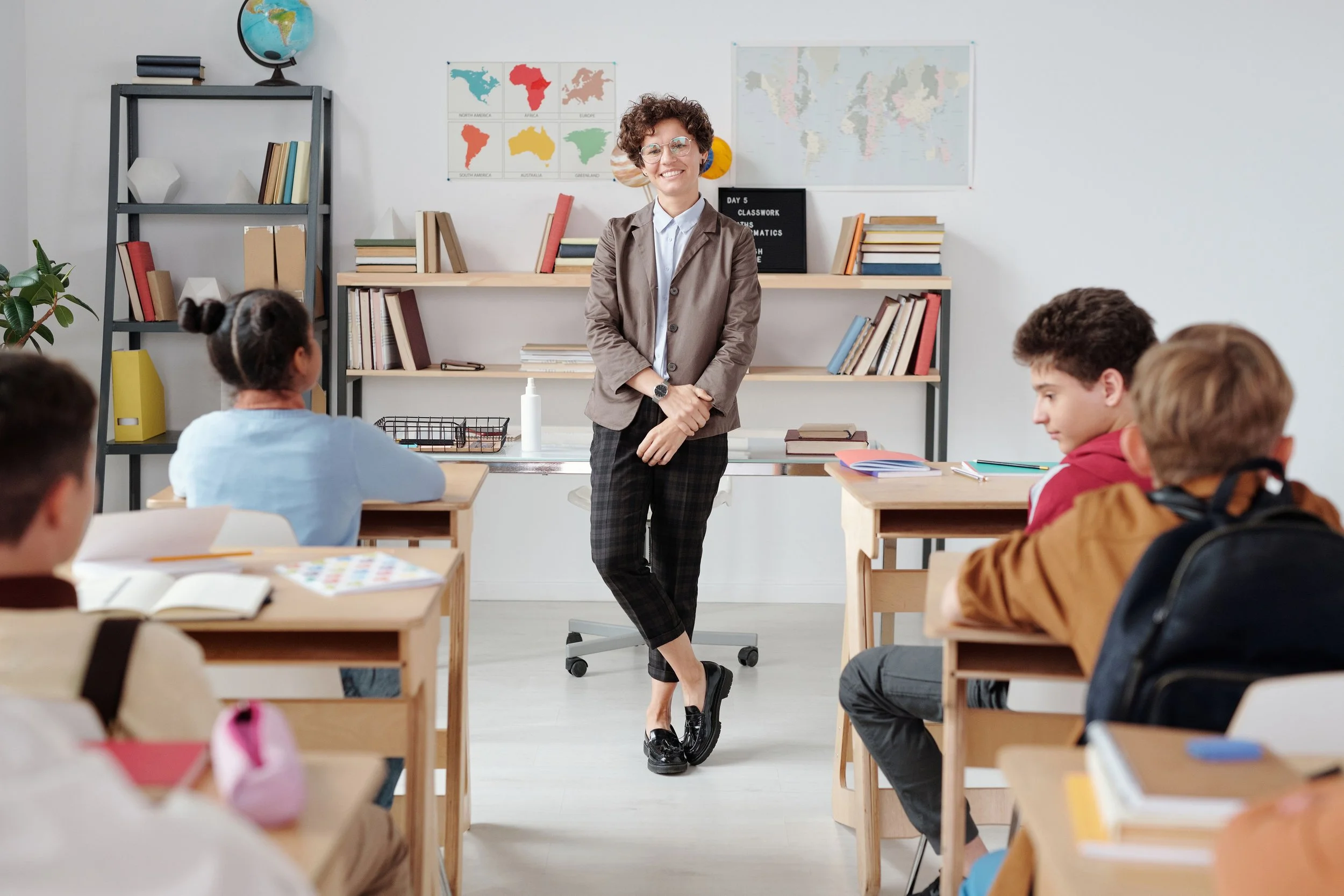
Anxiety is among the most common mental health challenges affecting children and adolescents, and its impact often extends into the classroom. However, it doesn’t always present in obvious ways and can evolve over time, making it harder to identify. Some anxiety is a normal part of development. What matters is the pattern: how often it occurs, how intense it becomes, and whether it starts interfering with a student’s ability to learn, participate, build relationships, or get through the school day. These signs can easily be mistaken for shyness, defiance, or a lack of motivation, making anxiety more difficult to recognize.
Because teachers spend so much time with students each day, they are often among the first adults to notice when something seems off. While they aren’t responsible for diagnosing mental health conditions, they can play an important role in identifying when a student may need additional support. By recognizing how anxiety commonly presents at different ages, collaborating with families and school support staff when concerns arise, and responding with empathy, teachers can help foster an environment where students feel safe and supported.
This guide explores how anxiety may appear in elementary, middle, and high school settings, and offers meaningful ways teachers can best guide students throughout each stage of development.
Why Anxiety Can Look Different at Different Ages
As children grow and develop, anxiety often evolves in how it is both experienced and expressed. Younger children may communicate distress through nonverbal behaviors or physical expression because they may not have yet acquired the language or emotional awareness to describe how they are feeling. Furthermore, as students mature, developmental changes, increasing academic expectations, and evolving peer relationships can affect how anxiety presents, often making it less outwardly visible to others. Older children may internalize, experiencing distressing thoughts or physical ailments. Ruminations, self consciousness, avoidance or intrusive thoughts can take up time and energy and impact typical functioning and personalities.
For teachers, recognizing how anxiety appears across childhood and adolescence is a meaningful first step in identifying signs a student may be struggling and offering the appropriate support. The sections below highlight some of the most common ways anxiety may appear in elementary, middle, and high school classrooms.
Anxiety in Elementary School
Recognizing the Signs
Anxiety in elementary-age children can easily go unnoticed. Some nervousness is expected as children adjust to new routines, expectations, and environments, and these worries often ease with time. But when anxiety persists or begins getting in the way of learning, friendships, participation, or everyday routines, a child may need additional support. Because younger children do not always have the words to explain what they are feeling, anxiety may show up through their behavior instead.
While anxiety can look different from one child to another, there are some common signs teachers may notice in the classroom, including:
Physical Symptoms: Somatic complaints are common such as stomachaches, fatigue, and/or headaches. Because these symptoms are very real to the child, it may not be immediately obvious that anxiety is playing a role. Teachers may notice a pattern, such as stomachaches during class, headaches during challenging assignments, or frequent visits to the nurse during certain parts of the school day. A student reporting physical discomfort or pain in a stressful situation that is disrupting their performance, routine, etc. should be explored further.
Withdrawal: What looks like shyness or disengagement may sometimes be avoidance. An anxious child may hold back from participating, asking for help, joining peers, attempting challenging work, or even attending school because these situations feel uncomfortable or overwhelming. They may have a harder time forming friendships with their peers or completing typical classwork. Many teachers find these withdrawal behaviors to be paired with perfectionist behaviors such as frequent obsessions over minor errors or negative self-talk. If a child presents one or both of these types of behaviors, it is essential to look further.
Restlessness: Anxiety does not always look quiet or withdrawn. Some anxious children appear restless, distracted, or constantly ‘on the go.’ Worries and racing thoughts can compete for a child’s attention, making it harder to focus on what is happening in the classroom. Because these behaviors can have multiple causes, teachers should pay attention to what seems to trigger them.
Emotional Symptoms: Some students who are struggling with their anxiety may be easily upset or frustrated over classwork, performance, peer acceptance, and more. They may cry excessively or throw tantrums in inappropriate situations. They may worry excessively about school to the point that it disrupts their overall functioning.
How to Support Elementary-Age Children with Anxiety
Whether the anxiety is about a test, a new lesson, or going to school in general, the goal is not always to make the anxiety disappear right away. Instead, teachers can help students learn that they are capable of handling uncomfortable feelings and moving through challenging situations with support. Validating a student’s feelings while also communicating confidence in their ability to cope can help them gradually build confidence and resilience.
Here are a few ways teachers can support elementary students dealing with anxiety:
Routine is Key. Developing a routine for class can help prepare students for the new day and help them understand what to expect. In this way, students and teachers are countering the uncertainty that underlies anxious thoughts. This also helps ease transitions for students, especially as they begin the school year.
Mindfulness Activities: Throughout the school day, try including some mindfulness activities for the class to do. Whether it be a mindfulness bingo or a breathing exercise for five minutes, these activities can give students an opportunity to pause, notice what they are feeling, and practice bringing their attention back to the present moment. This can be especially helpful when students are caught up in worries about what might happen next. .
Collaborate with Parents: Parents can provide valuable insight into what anxiety looks like outside of school, what situations tend to trigger it, and which strategies have been helpful. Sharing observations between home and school can help identify patterns and create a more consistent approach to supporting the student. Teachers and parents can also work together to consider whether certain responses are helping the child build confidence and coping skills or unintentionally making it easier to avoid situations that cause anxiety.
Calm-Down Corners: In the classroom, teachers should designate a specific location where students can go and decompress. These safe spaces allow students to relax and distance themselves from their anxious thoughts. If possible, decorate this space to create a cozy and comfortable environment with decor such as soft lighting, glitter jars, books, and more.The goal should be to help the student regulate and return to the activity, rather than using the space to consistently escape situations that make them anxious. While avoiding something scary can provide immediate relief, repeated avoidance can make the anxiety stronger over time.
Move Around: Similar to the mindfulness activities, try including some quick activities that have students moving around, such as stretching, yoga, or dancing. Movement can provide an outlet for physical tension and give students an opportunity to reset their attention before returning to classroom activities.
Anxiety in Middle School
Students in middle school are adjusting through a major transitional period and some will signal anxiety for the first time. Students typically in grades 6 through 8 are going through several life changes that affect their academic performance, emotional well-being, and relationships. Most students need help in developing new strategies to navigate demands and emotions, and it is especially important for those more vulnerable so that healthy perspective and coping is taught early on. Identifying anxiety in the classroom during this period can lead to preventive measures that benefit their well-being in their future studies and career goals beyond.
Detecting Behavioral and Physical Indicators
Spotting the warning signs with students can include both physical and emotional characteristics seen in school. Here are are few to look out for:
Physical Symptoms
Frequent discomfort: Students may experience aches throughout the body because of high stress levels. This can include frequent stomach aches, nausea, headaches, or dizziness. Frequent visits to the nurse’s office because of these symptoms can raise a major flag for anxiety.
Visible restlessness: Some students that have trouble paying attention in class are actually worried or experiencing intrusive thoughts. Students may fidget, bite their nails excessively, or avoid eye-contact with others.
Behavioral Symptoms
Avoiding active participation: Students might thrive when it comes to completing homework or tests, but when participating in class, feelings of worry persist as they may feel as though their answer could be wrong. When a teacher is asking questions, the student may avoid eye contact, or will not raise their hand to answer these questions. They may perceive themselves as “not good enough” or that their peers may criticize their answers. This can also occur in working with groups of students, where they tend to avoid speaking to one another and tend to avoid public speaking. A student’s mechanism when being called-on may be to not answer, or to just be silent.
Procrastination: Procrastination is not always a sign of poor time management or lack of motivation. For some anxious students, putting off an assignment can be a way of avoiding the discomfort that comes with feeling overwhelmed, fearing mistakes, or worrying that their work will not be “good enough.
Class Avoidance: When anxiety becomes connected to a particular class, teacher, peer group, or activity, students may begin avoiding it. Teachers may notice repeated lateness, frequent requests to leave the room, or absences that seem to follow a pattern. Looking at when the avoidance happens can sometimes tell us more than the avoidance itself.
Big Emotional Reactions: Anxiety can sometimes come out as irritability, anger, or frustration rather than obvious worry. A student who becomes unusually upset over an assignment, mistake, schedule change, or peer interaction may be feeling overwhelmed by anxiety underneath the reaction.
Sudden drop in grades: Students that are not being consistent with their good grades may have an anxiety factor impacting their academic performance. It is important for teachers to touch base with the student to improve their performance and prevent a decline in turning in assignments or completing homework. Their academic abilities should put them up for success, not failure.
Empowering Students
Students in middle school can experience major life challenges in addition to attending middle school. Home and family challenges, sports, social groups, and puberty are common factors that affect or change stress levels. How can teachers connect and offer support?
Build Trust and Check In Privately: A supportive relationship with a trusted teacher can make it easier for students to communicate when they are struggling. Making sure that having a safe environment and a trusting relationship with the student should be a priority. When a student is struggling, educators who actively listen to their concerns can become primary healthy resources. Sometimes, a student just needs someone to listen to them. This can also raise awareness to establish private check-ins with the student to see how they are doing mentally and academically.
Establishing Clear Instructions: Clear expectations and predictable routines can help reduce uncertainty for students with anxiety. Provide specific instructions, check in as needed to help students stay on track, and, when possible, give advance notice of significant changes to the classroom routine. At the same time, students can be encouraged to practice coping with smaller, everyday changes so they can build confidence and manage uncertainty.
Self-Regulation Tools: Brief breaks can give students an opportunity to regulate when they are feeling overwhelmed. Breathing exercises, drawing, journaling, movement, or other coping strategies can also help students practice managing uncomfortable feelings before returning to the task at hand.
Anxiety in High School Students
Anxiety disorders are among the most common mental health concerns in adolescence, with research suggesting that nearly one in three adolescents will experience an anxiety disorder. While younger children may be more likely to express anxiety through their behavior or physical symptoms, teenagers may increasingly experience anxiety internally through worry, rumination, or avoidance. As their metacognition advances, so does their capacity to ruminate; whether that be about their performance in academics and sports, their social groups, or their physical appearance. At the same time, teenagers may become better at masking or minimizing their distress, making it harder for adults to recognize when they are struggling. And something a child struggled with at nine but managed fine can emerge as a much bigger issue in high school, as more is expected of them and their worries grow more complex. In a high school classroom, this anxiety often presents differently than expected and often in very specific situations.
High School Classroom Anxiety Symptoms
Their presentation may be inconsistent: If a high school student has anxiety, their performance in a classroom may vary from class to class or day to day. A student might struggle more in one class because of the demand, or the other students in the classroom or because of the teacher or because of one comment made by a friend or student before the class started. Because anxiety can be influenced by the situation, the people around them, and what else may be happening that day, a student’s ability to manage it may vary considerably across settings and from one day to the next.
They may refuse to participate in certain activities: As a way of coping, anxious students often avoid the things that make them uncomfortable. However, it isn’t only the activity, anxiety can compound with multiple factors; maybe the thought of other people watching them in an anxious moment or while doing the activity is more than enough for a teenager to opt out entirely. When avoidance is anxiety-driven, students may appear particularly resistant to participating, even when provided with reassurance or logical explanations.
They may appear tired: Sleep problems and anxiety feed each other: worry and intrusive thoughts significantly degrade sleep quality which in turn worsens anxiety symptoms. Poor sleep can also leave students with fewer resources to manage worry and stress the following day. When a student has their head down or appears disengaged, it can be easy to assume they are tired, unmotivated, or distracted. For some students, however, these behaviors may reflect poor sleep, persistent worry, or the mental effort of managing anxiety throughout the school day.
They may get stuck trying to get things “just right:” Anxiety and perfectionism can make it difficult for students to decide when their work is “good enough.” A student may repeatedly check or revise their work, spend excessive time on small details, hesitate to move on from a question, or become preoccupied with making mistakes. This can make assignments and tests take longer, even when the student understands the material well. What may look like slow work or poor time management can sometimes reflect the extra time and mental energy a student is spending trying to get everything exactly right.
Performance that doesn’t match apparent preparation: Some high school students demonstrate clear command of material in discussion and then underperform on the exam covering it. Test anxiety is a context-specific form of state anxiety, tied to testing situations, that interferes with performance and information retrieval during the test itself. In high school, where finals, AP exams, and standardized testing carry real weight in determining their future, test anxiety that was difficult but manageable before can turn into a drop in grades that doesn't reflect what a student knows, or into becoming physically ill before or during an exam. When a student’s test performance is consistently out of step with the knowledge and preparation they demonstrate in class, anxiety may be one factor worth considering.
Patterned absence rather than whole days missed: Higher anxiety scores have been found among adolescents exhibiting school refusal, and school refusal behaviors cover a spectrum which includes students who skip particular classes or arrive late, not only those who miss extended stretches of school. By high school, when students move between teachers and have more control over their own movement, avoidance often becomes period-specific such as consistently absent from one class or consistently late to the one built around discussion or presentation. This is visible in a way that general absenteeism isn't because the pattern shows up in isolated instances. If a student is present all day, but not in your room, the question is what happens in your room.
Supporting High School Students
Much of the standard advice for anxious students was written with younger children in mind, and with teenagers the same gestures can misfire. A student who is already worried about how they are perceived may feel even more uncomfortable being pulled aside in front of their peers.
Be specific and approach privately. Given that teens are particularly anxious about their performance and how they’re perceived, it is important to provide a nonjudgemental space to talk about their struggles. Name one specific thing you noticed rather than asking if everything is okay. Vague openings are easy to deflect, so give them something specific to respond to rather than making them feel like they need to justify their behavior.
Lower the stakes without removing the task: When a student is visibly panicking about a presentation, the compassionate instinct is to excuse them from it. Although avoiding an anxiety-provoking situation can provide immediate relief, repeated avoidance can strengthen anxiety over time. The more productive move would be to convert the task into more manageable steps such as the student presenting to you alone first, and the next time presenting to the class knowing exactly when they will be called on.
Be predictable: Unpredictability is more costly for an anxious student than for their peers. Post the agenda, give warning before cold-calling, flag changes to routine, and make sure students know in advance when it's their turn to participate and when they should be listening. A student who spends the period monitoring whether they're about to be called on has less attention left for the material itself. A reliable routine frees up a student’s capacity to meet your expectations.
Teach students how to break down overwhelming tasks: Large assignments can feel especially overwhelming for students with anxiety, making it difficult to know where to begin. Teach students how to break larger tasks into smaller, concrete steps by identifying a starting point, deciding what comes next, and setting manageable goals along the way. Modeling this process with students can help them learn a strategy they can eventually use independently when a task begins to feel overwhelming.
Help students connect with additional support: Teachers are often among the first adults to notice changes in a student’s behavior, participation, or academic performance, but they do not have to manage these concerns alone. When anxiety appears persistent or begins interfering with a student’s ability to function at school, help connect them with a school counselor, psychologist, or other appropriate support. A warm handoff, such as explaining what support is available or helping the student identify how to reach out, can make seeking help feel more manageable.
At the core, high schoolers don't want to feel judged. Stay curious and avoid making immediate assumptions about what may be driving a student’s behavior.; the student avoiding your discussion, turning in work late, or putting their head down may be managing something you can't see. Teachers can maintain appropriate expectations while responding with empathy when anxiety makes school more challenging.
Looking for a quick, easy-to-use version? Download our free condensed guide with the key takeaways from this post.