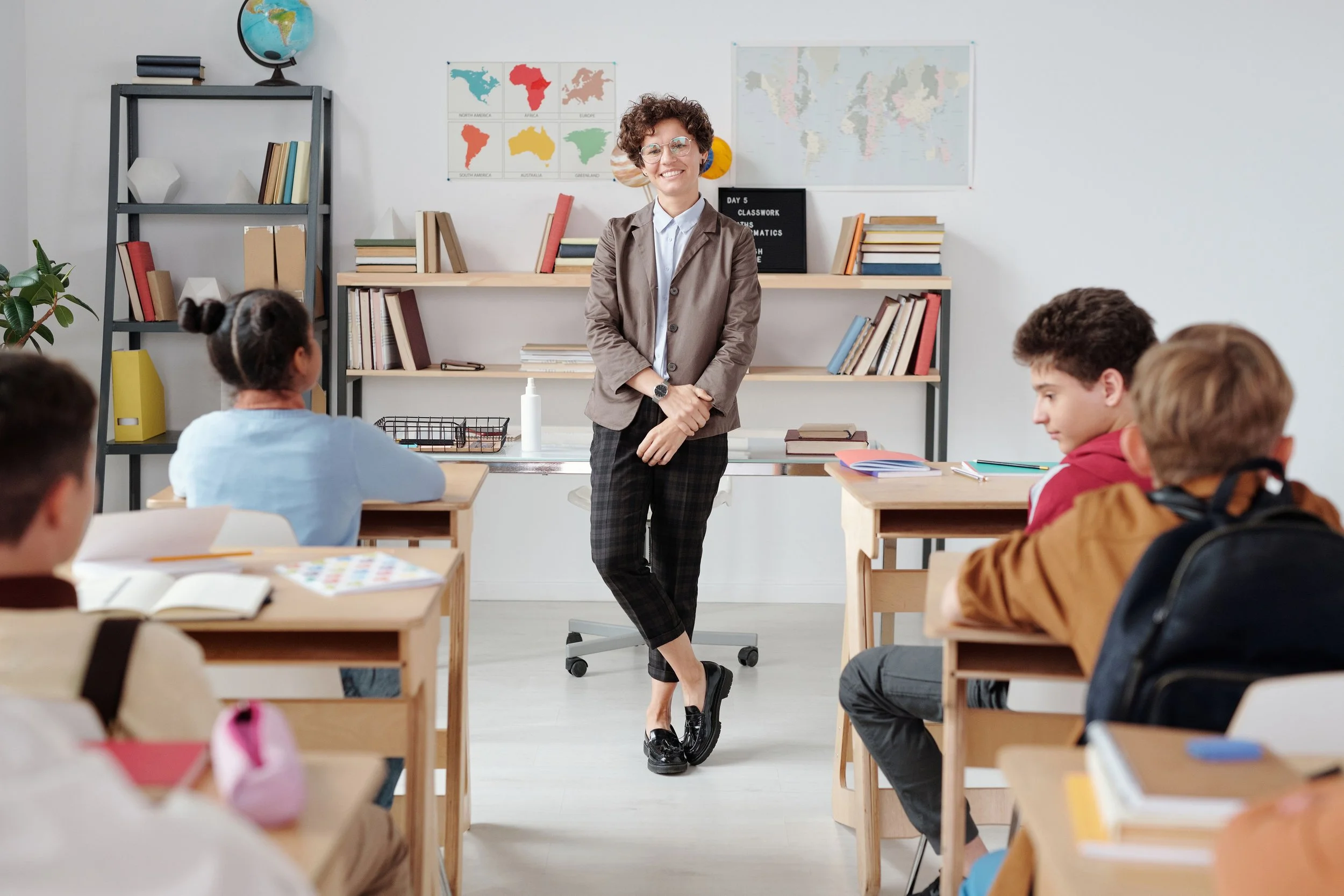

Supporting Students Through Transitions at the Division Level

Whether it is within the same school or beginning at a new school, transitioning to middle or high school is a significant point in a child’s developmental trajectory, both socially and academically. While these transitions can be exciting, they also often bring new expectations, responsibilities, and challenges for students and families. When schools proactively support students and families during these transitions, they can foster confidence, resilience, and long-term success. Below are several strategies schools can use to help ease the adjustment process.
1. Transition Meetings
Teachers and support staff (school psychologists/counselors and learning specialists) from each division are recommended to meet in the spring before the transition to discuss student profiles, support needs, and class placements with relevant faculty members and staff
Introduce new support staff to families and identify roles
Identify students who may need additional support before the semester even begins, so you can be adequately prepared to appropriately support them
2. Normalize The Experience
Students and families often interpret stress or changes in behavior during transitions as a sign something is “wrong,” when this is often expected during an adjustment period, where ongoing monitoring is important
Frame transitions as periods of growth, rather than merely logistical changes
Host a spring orientation before a fall transition that highlights new academic expectations (managing multiple teachers at a time, grading systems, etc) and introduce students to new peers
3. Emphasize Executive Functioning Over Academics
A major shift between divisions is the increased demand for independence, which calls on executive functioning skills
As clinicians, we often see students misidentified as “unmotivated” when they are actually struggling with executive functioning skills
Focus advisory periods on teaching time management systems, study strategies, and how to break down assignments
Milestones offers 1:1 executive functioning coaching for students and is always happy to support your students as well as collaborate with teachers and school staff around this
4. Acknowledge the Social-Emotional Aspect
Transitioning between divisions is just as much as social-emotional as it is academic, and it’s important to acknowledge and normalize this
Peer mentorship programs (older students supporting younger ones), especially surrounding different identity groups or building peer connections for students of all ages can reduce stress insofar as helping students understand that the stress of a transition period is not unique to them
Structured opportunities for connection early in the school year (i.e., advertising clubs or sports to join) can have similar benefits
5. Structuring Parental Involvement
Because transition periods are a time where increased independence is important, parents also benefit from advice and guidelines on how to be involved
Schools can offer parent workshops about developmentally appropriate levels of independence and how to provide productive support. For instance, parents can inquire about a student’s plan to finish an assignment, rather than asking if they completed it or telling them how to
The goal is skill-building for students, not perfection, especially early in a transition
6. Schedule Reflections and Check-Ins
Students can grow tremendously when advisors schedule meetings with students 6 weeks after the semester begins (and sooner if needed) to discuss what is working so far and goals for moving forward
This can also help identify challenges early to properly adjust
This also reinforces that successful adjustments are a gradual process rather than an immediate change
7. Reframe Success
Emphasize the importance of qualities such as adaptability, self-advocacy, asking for help, independence, and resilience
High effort, strategy, and progress matter just as much, if not more, than outcomes
8. Establish Good Collaboration with Outside Providers
Transition meetings and developing relationships with students can identify students who may need additional support, including those with a history of anxiety or learning differences, social challenges, or major life stressors (family changes, moves, etc.)
Schools should create clear pathways for referral to counseling support both within and outside of school
Avoid a wait-and-see approach while also ensuring that supports are introduced thoughtfully and appropriately
At Milestones, we often work as part of a student’s broader support team, helping bridge school expectations with emotional and cognitive development. We practice consistent communication with school staff to ensure everyone on a student’s team is aligned on goals and best practices to achieve these goals to avoid duplication or conflicting strategies. A student is most successful when their team is aligned, so it is best when a school is just as proactive as we are.
Transitions between school divisions are developmental milestones. When schools proactively support both students and families through these shifts, they reduce distress and create the conditions for long-term success. Whether through consultation or 1:1 support, Milestones is here to support and collaborate with schools in supporting their students and families!
Looking for a quick, easy-to-use version? Download our free condensed guide with the key takeaways from this post.